Seed Oils: The Great Cooking Controversy
Aug 05, 2026
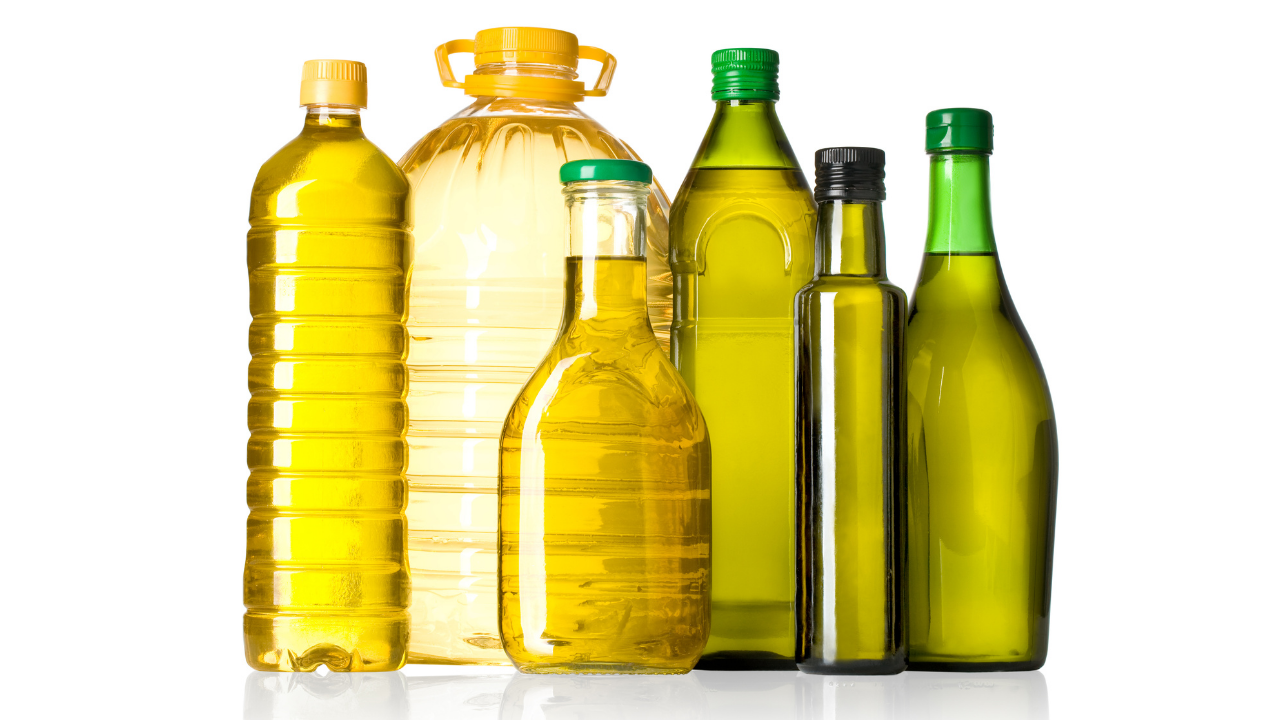
Somewhere between your grandmother's fry pan and your algorithm-curated feed, seed oils became public enemy number one. Canola, sunflower, soybean, corn, safflower, grapeseed — the humble oils sitting in nearly every pantry got rebranded overnight as silent villains, accused of everything from inflammation to the entire obesity epidemic. "Toxic." "Industrial." "The hateful eight," as one corner of the internet likes to call them.
So... are they? Let's pour a little science on the fire and find out.
First, What Even Is a Seed Oil?
"Seed oil" isn't a chemical, it's a category. It just means any oil pressed or extracted from a plant's seeds rather than its fruit (olive and avocado oil, by contrast, come from the fruit itself). That's it. Sunflower seeds, rapeseed (which becomes canola), soybeans, corn kernels — squeeze the oil out, and you've got a seed oil. They're cheap, shelf-stable, mild-tasting, and endlessly useful, which is exactly why they ended up in your salad dressing, your fries, and roughly half of everything in the center aisles of the grocery store.
Popularity, though, is precisely what put a target on their back.
Claim #1: "Seed Oils Wreck Your Cholesterol"
This is the one place where the science is genuinely not controversial — it's just pointing the opposite direction from the online narrative.
Christopher Gardner, PhD, director of nutrition studies at Stanford's Prevention Research Center, has spent more than three decades studying dietary fats — and he's not exactly an outsider to the cholesterol conversation. He also chaired the American Heart Association's Nutrition Committee, which is about as close to the front lines of cardiovascular nutrition science as it gets. His conclusion, echoed by decades of research comparing saturated fats (butter, lard, beef tallow) to unsaturated fats (seed oils among them): swapping saturated fat for unsaturated fat consistently lowers LDL cholesterol, and there are few relationships in nutrition science backed by this much evidence. Large studies following tens or hundreds of thousands of people over decades have even linked eating more unsaturated fat — and less saturated fat — to lower death rates overall.
In other words: if you're choosing between butter and canola oil purely on heart-health grounds, the seed oil wins, hands down.
Claim #2: "Omega-6s Are Secretly Pro-Inflammatory"
This is the claim doing most of the heavy lifting in seed-oil panic, and it's worth slowing down for.
Seed oils are rich in linoleic acid, an omega-6 fatty acid. Omega-3 and omega-6 are both essential fats — your body needs them but can't make them, so they have to come from food. The popular theory goes that because omega-3s are anti-inflammatory, omega-6s must be their inflammatory evil twin.
Gardner pushes back hard on this: omega-3s do appear to have somewhat stronger anti-inflammatory effects, but that's been misconstrued into the claim that omega-6s are actively harmful — which isn't supported by the evidence. And practically speaking, short of eating fish or flax seeds, it's nearly impossible to get omega-3s without also getting omega-6s, since virtually every other source of these fats contains more omega-6 than omega-3.
This isn't a lone opinion, either. A 2025 analysis of the Framingham Offspring Study — one of the longest-running, most respected cohort studies in public health — measured omega-6 levels directly in nearly 2,800 people's blood rather than relying on diet surveys people often misremember. The result was the opposite of what seed-oil critics predicted: higher blood levels of linoleic acid were linked to lower markers of inflammation, not higher. Researchers presenting similar findings at the Nutrition 2025 conference reported comparable results in almost 1,900 additional participants. Even Johns Hopkins' Bloomberg School of Public Health has stated plainly that the inflammation concern stems from a misunderstanding of how omega-3s and omega-6s actually interact in the body — and pointed to research linking higher linoleic acid levels to a meaningfully lower risk of type 2 diabetes.
The twist that nobody's headline seems to want: the internet may have the plot backwards.
Claim #3: "Seed Oils Are Fueling Chronic Inflammation, Period"
Here's where things get refreshingly honest. Gardner, despite decades of hoping to find clear links between diet and inflammation, says the immune system is still too poorly understood for scientists to draw those conclusions with confidence — there's no single lab test that fully captures what "inflammation" even means. With hundreds of immune markers and no consensus on which ones actually indicate a healthy immune response, he argues it's premature for anyone to declare any single food — seed oils included — definitively "pro-inflammatory" or "anti-inflammatory."
Translation: the certainty you see in a 90-second video is not the same as the certainty in the actual data.
Claim #4: "Seed Oils Are Driving the Obesity Epidemic"
Seed oil consumption rose alongside rates of obesity and chronic disease over the past several decades. That's true. But correlation is a notoriously bad narrator.
Gardner points out that ultra-processed foods — which happen to contain a lot of seed oil — are linked to cardiovascular disease and diabetes, but the research points to the additives, added sugar, sodium, and overall nutrient profile of those foods as the real culprits, not the oil itself. As he puts it, we genuinely do eat more ultra-processed food than ever, but the harm has more to do with calories, sugar, and saturated fat than with seed oil specifically.
There's also a very human explanation for why so many people feel better after quitting seed oils: when you cut seed oils by skipping McDonald's, cake, and chips, you're mostly just cutting ultra-processed junk food — and until there's a controlled trial isolating seed oil from everything else in those foods, any health improvement is more honestly credited to the whole dietary shift, not the oil alone.
So... Should Seed Oils Stay in Your Kitchen?
Here's the takeaway, in Gardner's own blunt assessment: he thinks the idea that seed oils rank anywhere near the top of America's real nutrition problems is, in his words, "just nuts." If you're choosing a cooking fat, vegetable oil beats animal fat for cholesterol health — and if using seed oil is what gets more vegetables onto your plate, the net effect on your health is likely a good one.
That doesn't mean seed oils are a health food, or that "more is better," or that ingredient quality never matters. It means the loudest claims about them — toxic, inflammatory, obesity-driving — are outrunning what the evidence actually shows. The bigger, more boring, far less shareable truth is the one nutrition science keeps landing on again and again: whole foods, minimally processed meals, and plenty of vegetables move the needle on your health far more than any single oil in your pantry ever will.
So the next time seed oils come up at a dinner party, you'll have more than a strong opinion — you'll have the receipts.
By Kristi Taylor, MH
Sources: Stanford Medicine, "Five Things to Know About Seed Oils and Your Health" (2025); Framingham Offspring Study analysis presented at Nutrition 2025; Johns Hopkins Bloomberg School of Public Health, "The Evidence Behind Seed Oils' Health Effects" (2025); Nutrition Today, "Health Implications of Linoleic Acid and Seed Oil Intake" (2025).